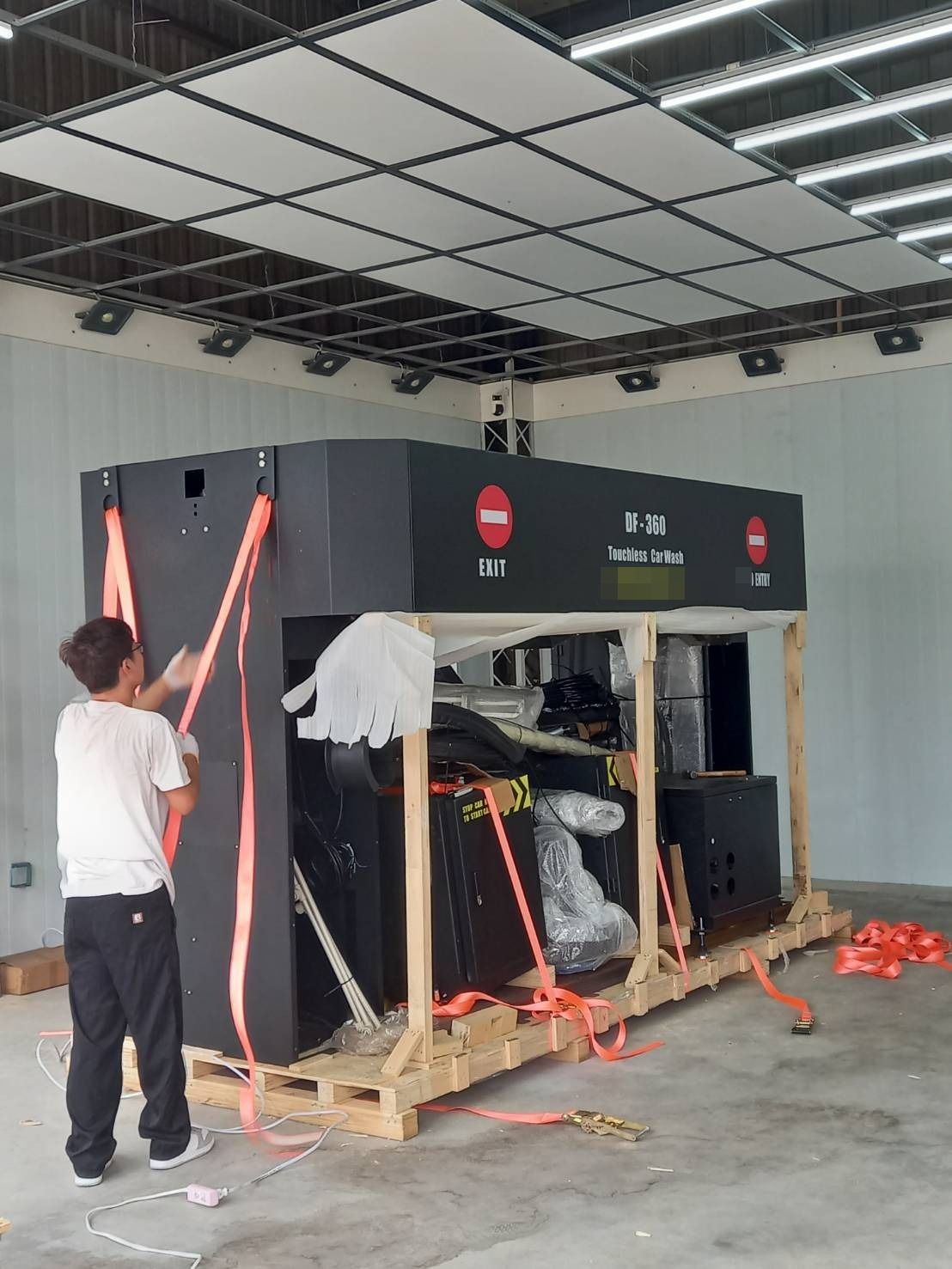
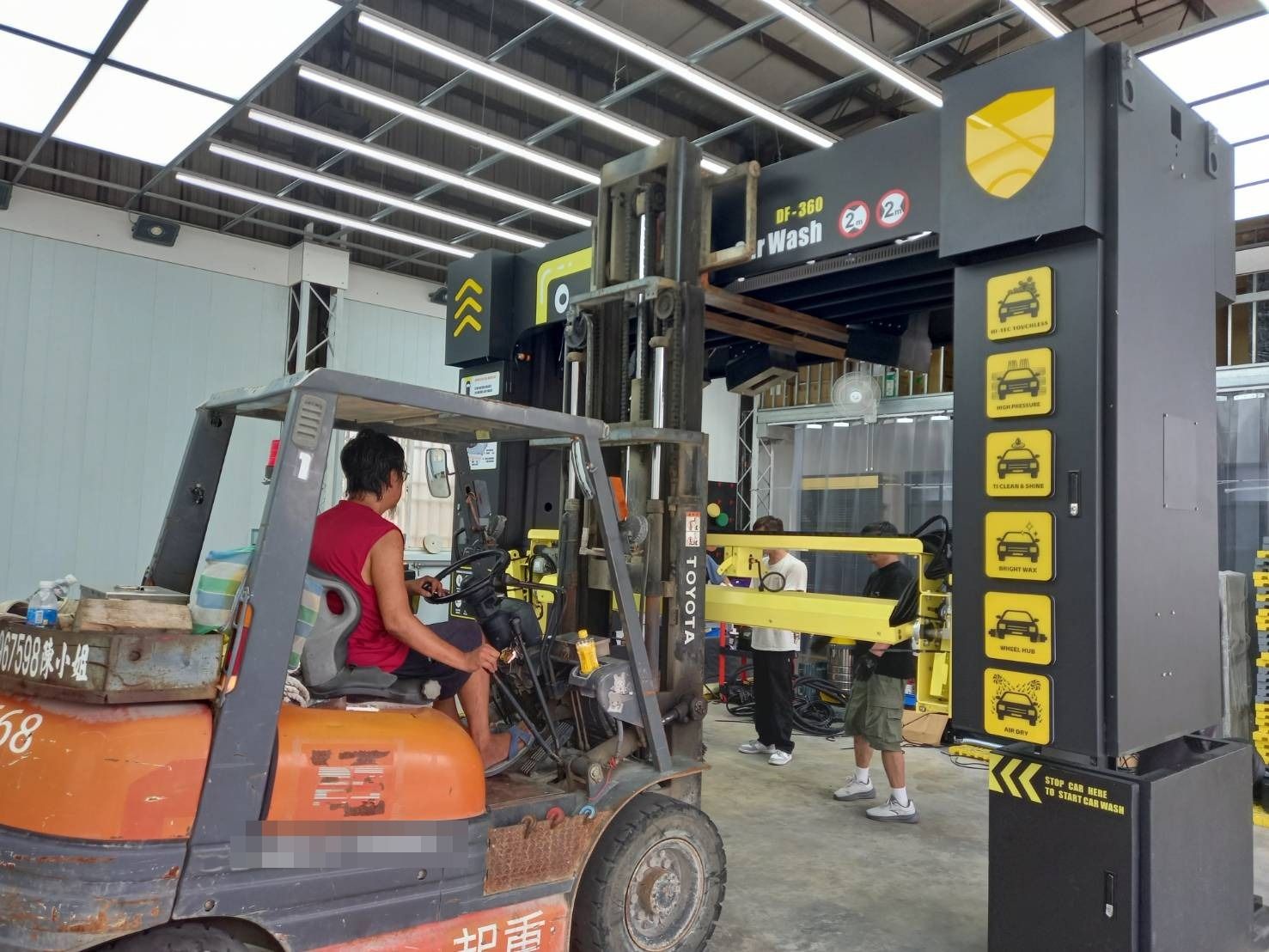
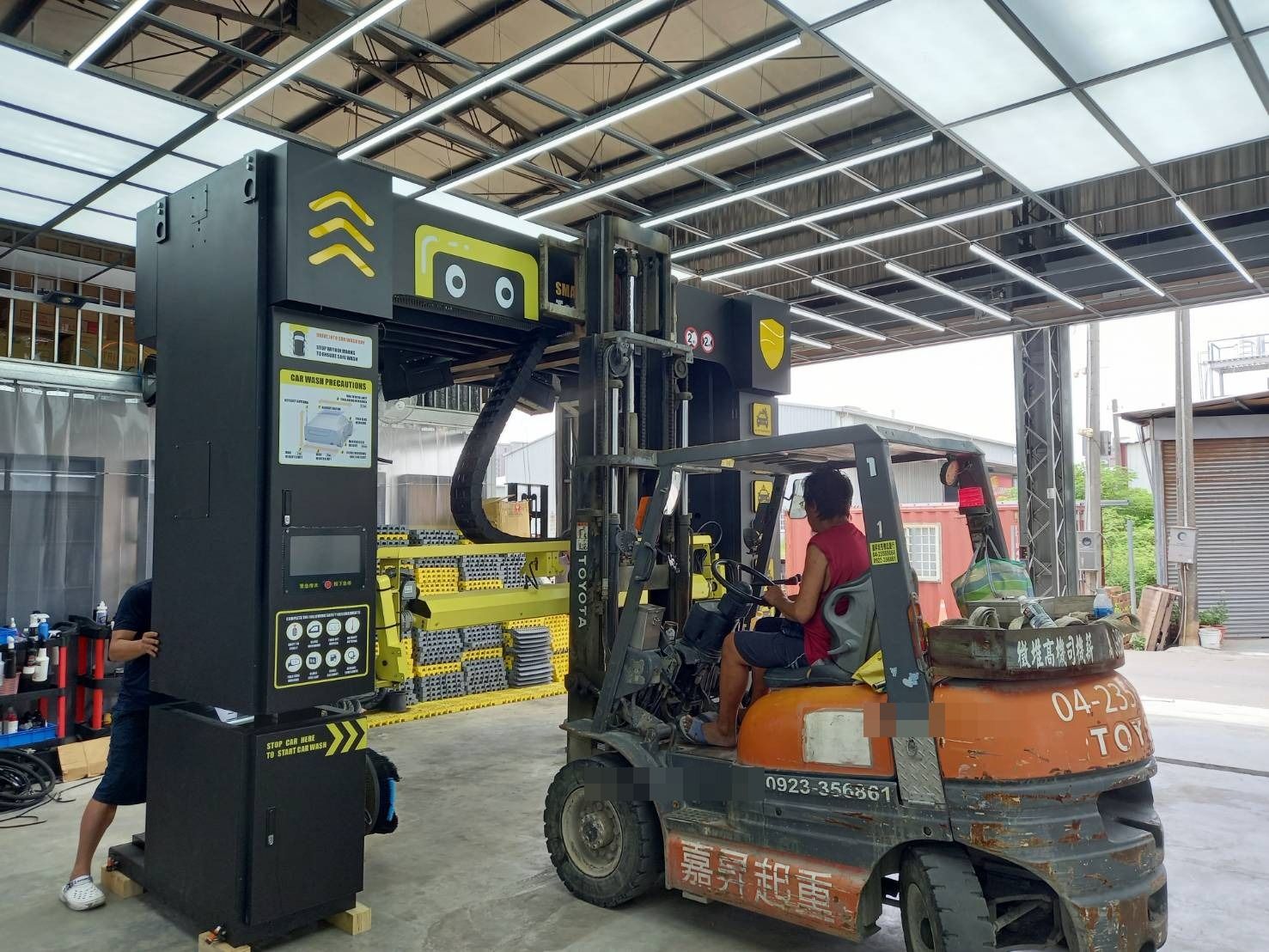
Most equipment makers don't formulate. Most chemical plants don't build machines. We do both — which is why cars leave our systems not merely clean, but coated: gloss, slickness and beading you would normally pay a detail shop for.
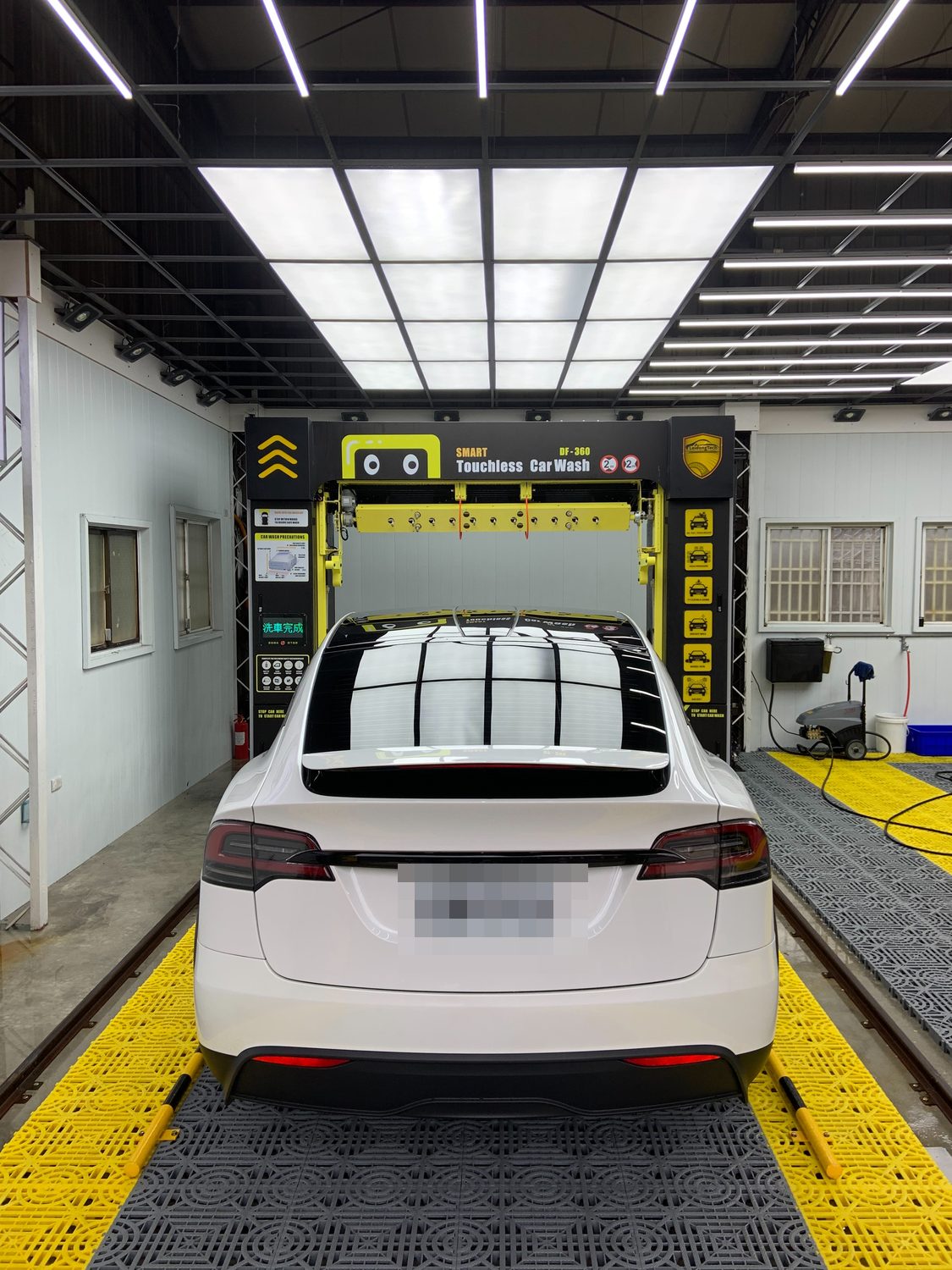
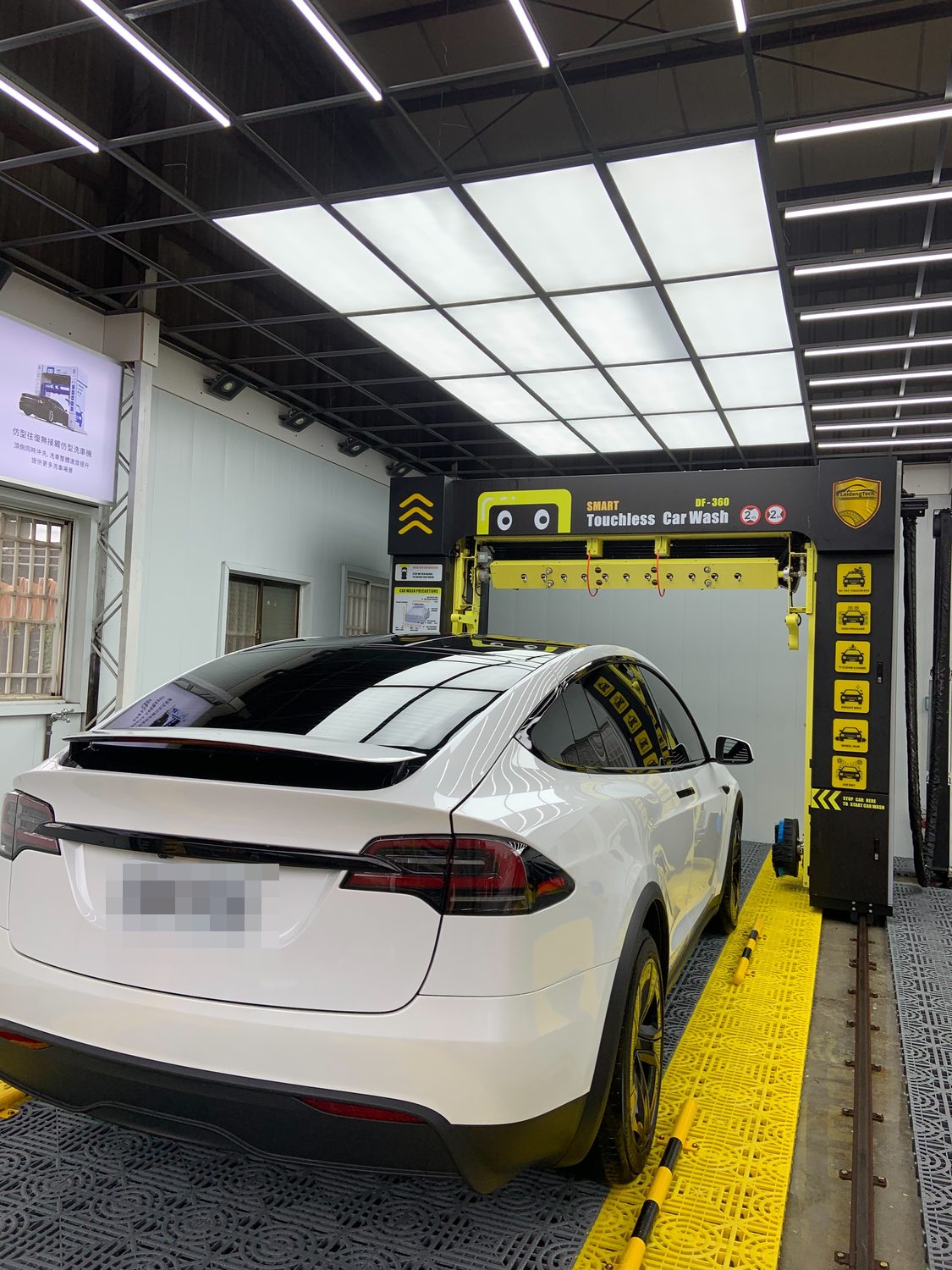
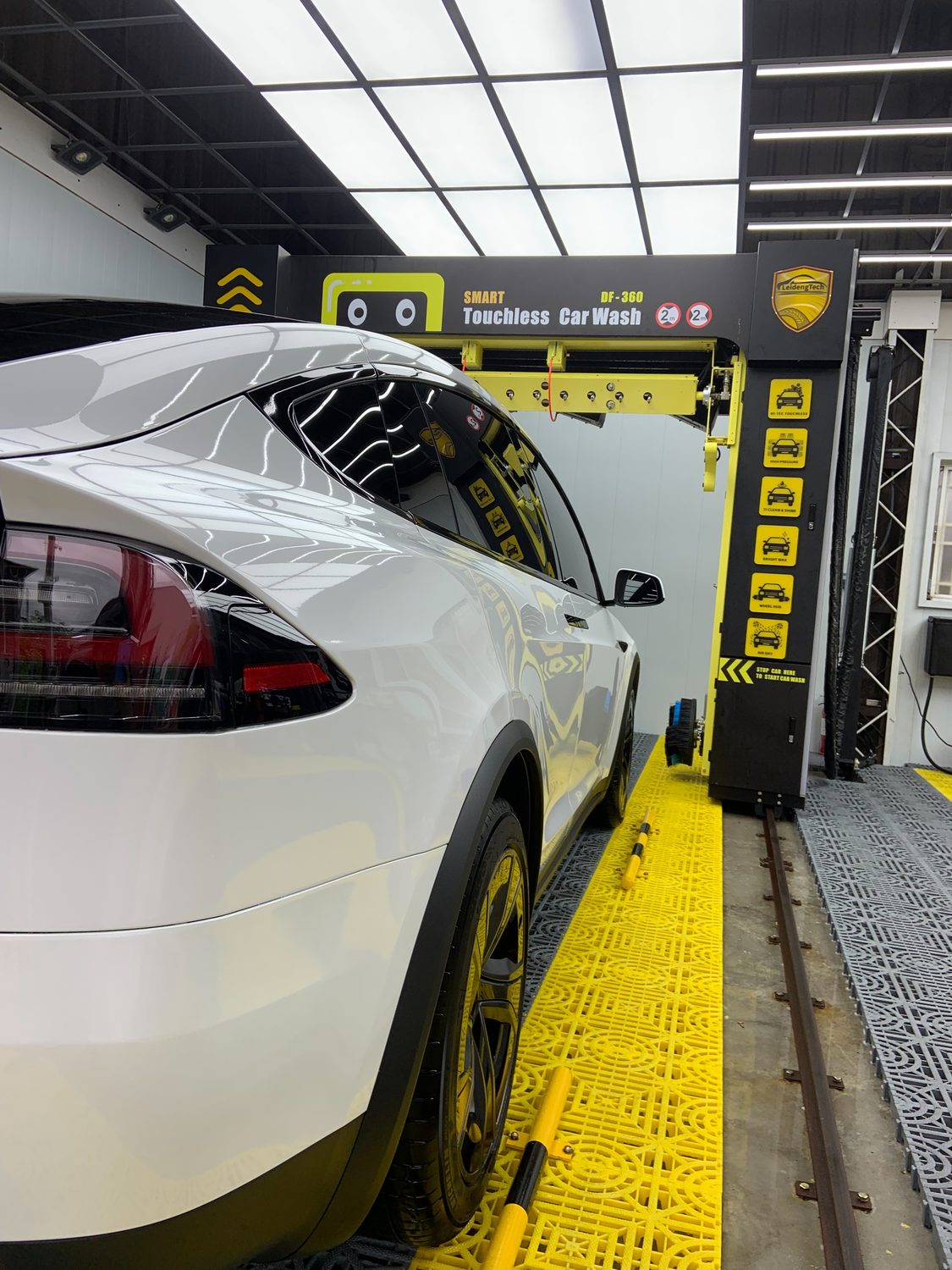
This is the part that is hard to argue with and easy to demonstrate. A vehicle leaving either of our systems — touchless or brush — does not simply come out clean. It comes out coated.
Depth in the paint rather than the flat, stripped look of a commodity wash. Park it beside a car washed with generic detergent and the difference needs no explanation.
Anyone who notices the gloss reaches out to touch it. There is a perceptible film on the surface, laid down during the wash rather than applied afterwards.
Beading lets the blowers clear the vehicle properly, so cars leave dry and spot-free. The owner notices the rest weeks later, the first time it rains.
For an operator, that is a service tier they can price. For a distributor, it is the demonstration that closes the deal: run one car through, and the conversation about specifications is over.
Operators everywhere run into the same thing: switch to a cheaper detergent and suddenly the foam thins out, the finish is patchy, and sometimes the lines block. The usual conclusion is that the chemical is bad. Usually it isn't.
Our systems draw chemical through a Venturi injector. Draw rate shifts with water pressure, flow rate — and with the viscosity of the chemical itself. Same machine, same setting, different product: different concentration on the paint.
A touchless system needs high water volume to clean without contact. A brush system uses considerably less. One detergent cannot sit correctly in both.
Travel speed, dwell time and spray duration decide how long a product has to work. A fast cycle needs a fast-acting formulation. A slower one is a different problem entirely.
Choosing between them is not a quality decision. It is a decision about throughput, price point and the customer you serve.
Gantry travels on rails, top and side nozzles working together. Nothing touches the paint. Built for new-vehicle preparation, delivery centers and premium wash formats.
See the system →Wash and coating in one pass. The formulation lays down a lubricating film so the brush travels on the film rather than the clear coat. Built for fuel stations and high-volume express formats.
See the system →Paiject Industries has manufactured automotive care chemistry since 1989 — coatings, detergents, protectants. We are a chemistry company that specifies equipment to match, not an equipment trader that bundles a detergent. Formulation is developed against the machine's actual pressure, flow and cycle, then calibrated on site at commissioning.
Equipment is built through a long-standing strategic partnership — they develop and tune the machine, we develop the chemistry it runs. Units are assembled, commissioned and calibrated by our own technicians, with draw rates measured against site water conditions and re-checked on schedule.
Equipment arrives, and our technicians rebuild, wire, plumb and calibrate it before a single car goes through. Draw rate is set against the water pressure that site actually has.
Equipment margin is a single transaction. Chemistry is a consumable the site cannot substitute without losing the result it is selling — which makes it recurring revenue for whoever supplies it.
That is the commercial shape of this partnership, and it is why we care whether the chemistry is genuinely matched rather than merely bundled. A wash result the operator cannot get elsewhere is what keeps the reorder coming.
Specifications only go so far. Our Taichung demo center runs live equipment, and we can walk you through the numbers for your site.